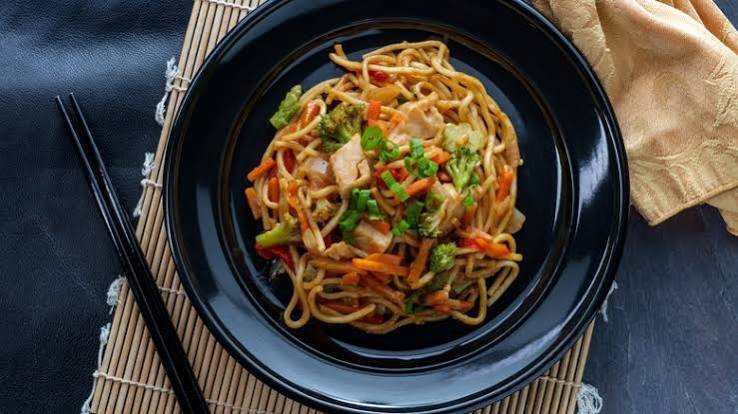
Back when I lived in my old apartment, Friday nights meant chow mein from this one place — every single time. Then, out of nowhere, they closed down. Just like that — gone. I remember just standing there thinking, well, guess I have to figure this out myself now.
Turns out, chow mein at home is way easier than I expected. Like, almost embarrassingly easy. No fancy wok skills needed, no random ingredient you’ll have to hunt down at some Asian grocery store you never even knew was there.
If takeout’s been your go to because cooking Chinese food at home feels like a hassle, this recipe’s going to change your mind.
What Makes Chow Mein Actually Chow Mein
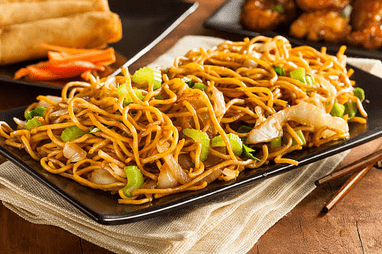
Chow mein literally means “fried noodles” in Chinese — and that’s really all you need to know about what makes this dish work. There’s no complicated sauce involved, no rare ingredient you’ll spend an hour searching for. Really, it all comes down to the noodles — a bit of char and crisp on the outside, still soft and chewy once you bite in.
I’ll admit it, I mixed up chow mein and lo mein for years and had no clue. Lo mein gets boiled, then the sauce goes on after. Chow mein skips all that — straight into the stir-fry — and that’s exactly why it ends up with that texture everyone notices.
Not even sure how many times I’ve made this by now, honestly lost count. But if I had to pick one thing I’ve learned — it’s the noodles, not the sauce that make this dish what it is. Get those right and everything else just kind of sorts itself out.
Ingredients You’ll Need
Nothing crazy here. Most of it’s probably already in your kitchen or it’s a quick trip to the store away.
For the chicken and noodles:
- 2 boneless chicken breasts, sliced thin
- 8 oz chow mein noodles (or thin spaghetti if that’s what you’ve got)
- 2 cups shredded cabbage
- 1 cup carrots, julienned
- 1 cup bean sprouts
- 3 green onions, chopped
- 3 garlic cloves, minced
- 1 tbsp fresh ginger, minced
For the sauce:
- 3 tbsp soy sauce
- 1 tbsp oyster sauce
- 1 tsp sesame oil
- 1 tsp sugar
- 2 tbsp vegetable oil for cooking
That’s the whole list — no specialty items, no cross-town grocery runs needed.
Step by Step Chicken Chow Mein Recipe
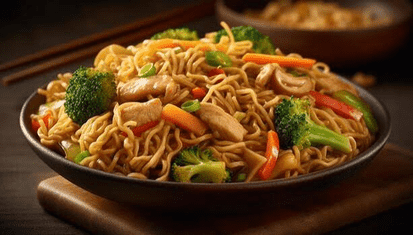
Okay here’s how it all comes together. This is the process I follow.
Step 1: Getting the Noodles Ready
Follow whatever the package says for cooking the noodles. Pull them out a minute early though. They’ll still be a little firm, that’s the point — they finish up later in the pan.
Drain them. Mix in a bit of oil. Stops them from sticking while you take care of the other stuff.
Step 2: Cook the Chicken
Oil in the pan, high heat. Add the chicken, cook till golden and done all the way through. Takes about 5-6 minutes.
Pull it out, set it aside. Leave the pan alone — don’t wash it. That stuck-on stuff is flavor for later.
Step 3: Now the Vegetables
Same pan. Little more oil if it needs. Garlic and ginger go in first, 30 seconds till it smells amazing.
Cabbage and carrots next. 2-3 minutes, just till they soften up a bit. Still want some crunch though.
Step 4: Now, Let’s Combine Everything
Noodles and chicken go back in. Sauce goes on top. Toss it all around so everything’s coated.
2-3 more minutes, stir it here and there. I let mine sit against the pan a little longer than most recipes tell you — gets those crispy golden edges going. Bean sprouts and green onions right at the end, keeps them crunchy.
Serve it hot, right away.
Tips for Getting Restaurant Style Flavor
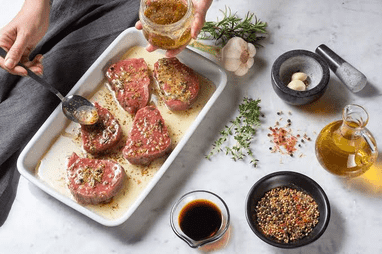
After testing this recipe more time than I can count. Here’s what makes a difference between “okay” chow mein and the kind that tastes like takeout.
- Use high heat. Restaurants cook with way more heat than your average home stove can handle, but cranking yours as high as it’ll go without burning everything gets you pretty close.
- Don’t overcrowd the pan either. Pile too much in there, and it just ends up steaming instead of frying — and that’s how you lose that nice char.
- Undercook the noodles slightly. They finish cooking in the sauce, so starting too soft makes them mushy by the end.
- Add sauce gradually. Too much at once make everything soggy instead of glossy.
- Fresh ginger over powder. It genuinely makes a noticeable difference in flavor depth.
None of these are complicated changes. They’re small habits but they add up to something that tastes like real deal.
Common Mistake to Avoid.
I found most of these out the hard way when I first tried chow mein at home. Hoping you don’t have to.
- Overcooking the noodles first. This is probably the biggest one. Mushy noodles ruin whole dish and once that happen there is no fixing it.
- Skipping the high heat. Cooking it slow and low just doesn’t work here. Chow mein needs that quick, hot cook to get the right taste and texture.
- Too much sauce. It’s easy to go overboard but chow mein should be lightly coated.
- Not prepping everything first. This dish cooks fast. If you’re still chopping garlic while the pan’s already hot, things will burn.
- Using the wrong noodles. Regular spaghetti works okay if you’re stuck but real chow mein noodles hold up better and give you that texture.
Variations Worth Trying
Once you’ve got the base recipe down there’s a lot of room to play around with it. I’ve tried a bunch of these myself over time.
- Shrimp chow mein — swap chicken for shrimp, cook it just a couple minutes less since it cooks faster
- Vegetable chow mein — skip the meat entirely, add mushrooms and bell peppers for more substance
- Spicy chow mein — add a spoonful of chili garlic sauce or a few dashes of sriracha into the sauce mix
- Beef chow mein — thin-sliced flank steak works great, just marinate it in a bit of soy sauce first
Honestly, I go back and forth between the chicken version and the shrimp one, just depends on my mood. Both are genuinely great — just different vibes.
Storing and Reheating Leftovers
Chow mein’ll stay good in the fridge for about 3 days, as long as you’ve got it sealed up properly. And honestly, it reheats better than you’d think — a lot of noodle dishes just don’t hold up the same way.
Reheating’s easy — pan, medium heat, splash of water or oil to loosen things up. Microwave does the job in a pinch. Stovetop though, if you’ve got the time, gives you noticeably better texture.
I’d skip freezing this one, though. The noodles and vegetables just don’t hold up well after thawing — you’ll end up with a mushy mess instead of the nice texture you started with.
Final Thoughts
Chow mein always seemed like one of those dishes I’d never actually try at home — I figured it needed some special skill I just didn’t have. Turns out, all it really took was a hot pan and a bit of confidence.
I hope this becomes one of your easy go to dinners — the kind you can throw together without overthinking it even on a random night and honestly, once you make it yourself, you’ll probably wonder why you were ordering it for so long in the first place.
FAQs
What actually separates chow mein from lo mein?
The cooking method’s real difference here. Chow mein noodles hit the stir fry so you get some crispy bits. Lo mein noodles get boiled then mixed with sauce keeping them soft throughout. Both are tasty a different vibe texture wise.
Does spaghetti work as a substitute?
It’s a decent backup option. Won’t be identical — spaghetti just doesn’t get that same crisp chow mein noodles do — but it still tastes fine and works for a quick dinner.
Can spaghetti work in place of chow mein noodles?
Honestly? You probably boil them too long. They’re gonna cook more once they hit the pan anyway, so pull them out early, while they’re still kinda firm. Skip that step and they just turn to mush later.
Is chow mein healthy?
It can be, really depends on how you make it. Lean chicken, plenty of veggies and easing up on the oil and sauce — that’s honestly a pretty balanced meal. Restaurants add a lot oil and sodium than you would if you made it yourself.
Can I make chow mein vegetarian?
For sure. Just leave out the chicken and throw in more veggies — mushrooms, bell peppers, tofu, whatever you like for some protein. Everything else stays exactly the same, so it’s a pretty easy swap.