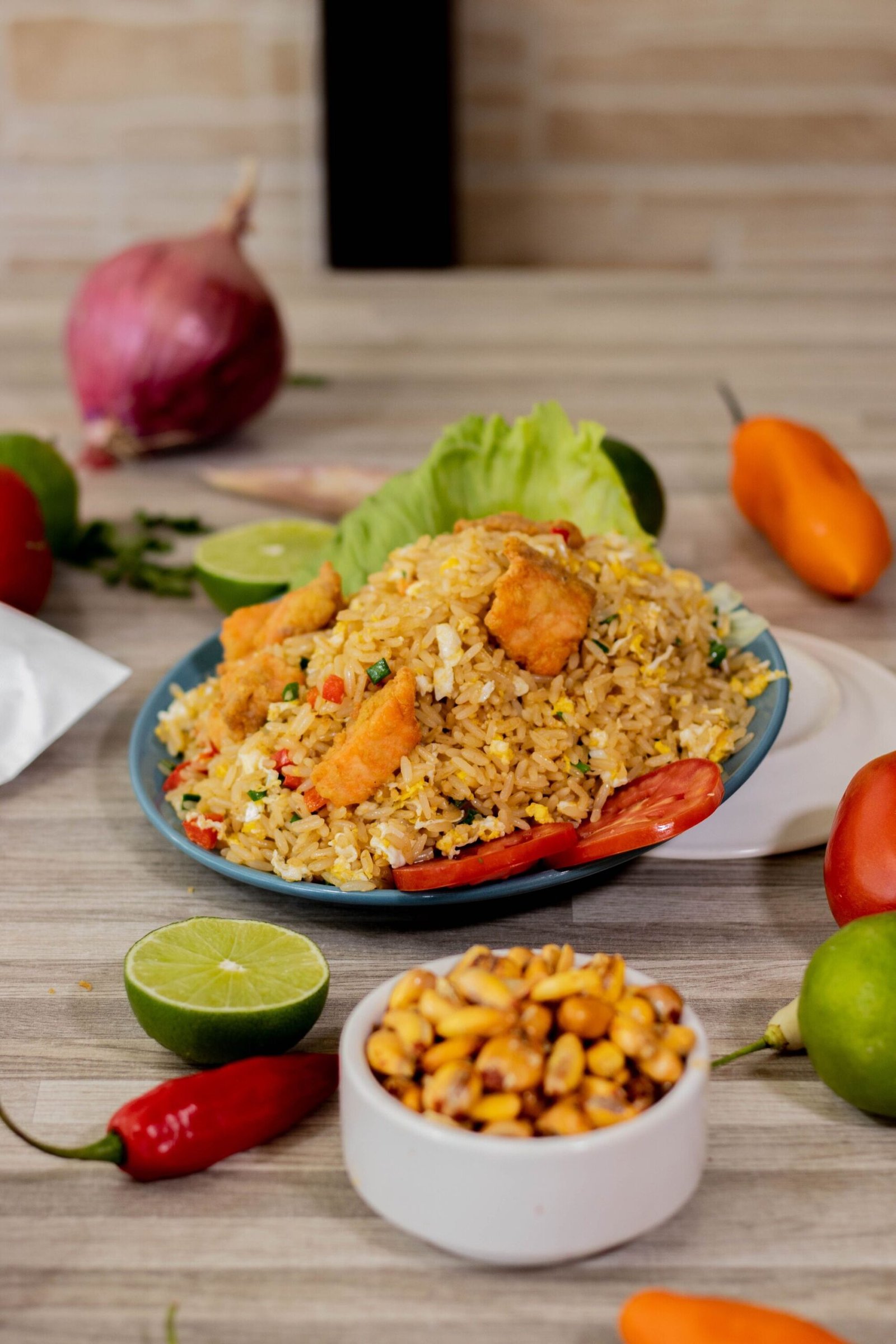
Last winter I ordered fried rice from the place down the street three times in one week. Three. By the third container I was staring at a greasy, soggy pile of rice with maybe five tiny cubes of chicken hiding in it, and I thought, “I can do better than this in my own kitchen, in less time than delivery takes.”
So I did. I tested this recipe about eight times over the next few weeks tweaking the rice, the heat, the sauce, and the order I added things. Some batches were mushy. One was way too salty. One I just don’t talk about. But the version below? It the one my family now requests by name, and it takes about 20 minutes once you’ve got your ingredients ready
If you’ve ever wondered why restaurant fried rice tastes so much better than what you make at home, you’re about to find out. It’s not magic. It’s a handful of small techniques that nobody tells you about.
Why Homemade Fried Rice Beats Takeout
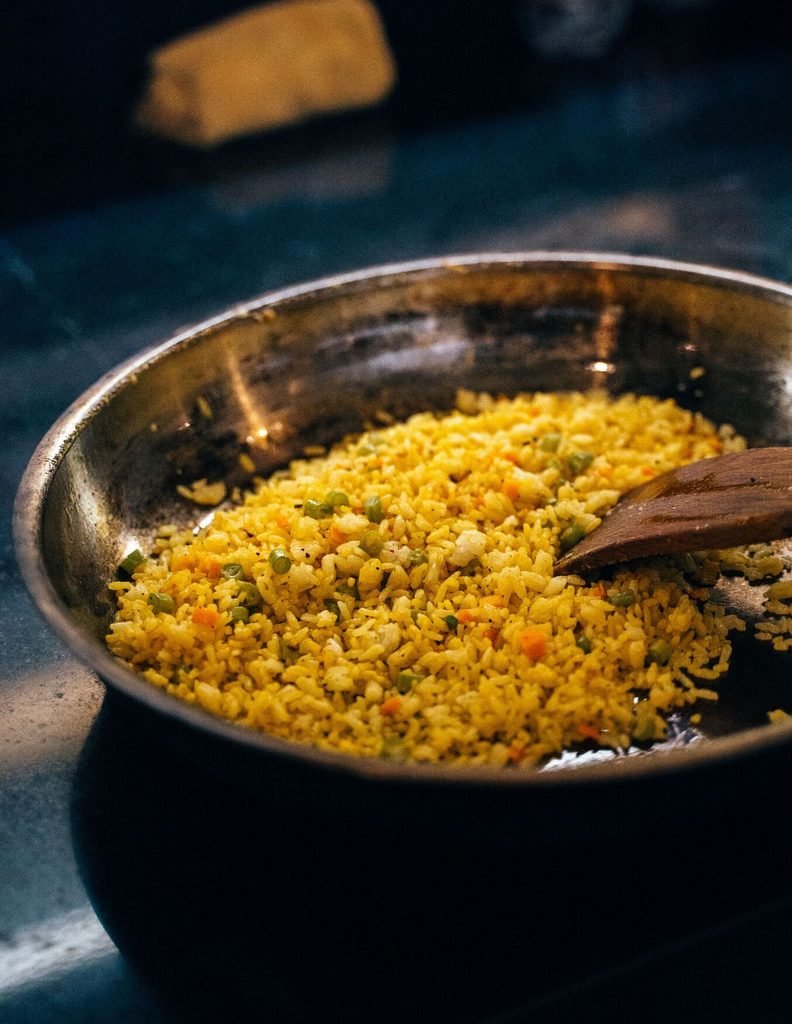
Let’s be honest about what takeout fried rice usually is. It’s a fast, cheap dish made in enormous batches, often with a lot of oil and not much else. Even the good restaurants are cooking at a scale and speed you can’t replicate at home.
But here’s the thing: that works in your favor. When you cook at home, you control the quality of every ingredient. You can use real chicken breast or thigh instead of mystery cubes. You can load it up with vegetables. You can season it exactly the way you like.
There’s also the cost. A decent takeout order of chicken fried rice can run anywhere from ten to fifteen dollars. This recipe feeds four people for a fraction of that, and you’ll likely have most of the ingredients in your pantry already.
And then there’s the freshness. Fried rice made at home goes from wok to plate in minutes. It’s hot, fragrant, and the rice grains stay separate and slightly crisp at the edges. By the time delivery arrives, steam has turned everything soft.
Ingredients You’ll Need
You don’t need anything fancy here. Most of this is stuff you can grab at any regular grocery store.
For the fried rice:
- 3 cups cooked, cold day-old rice (long-grain white or jasmine works best)
- 1 pound boneless chicken breast or thighs, cut into small bite-sized pieces
- 3 large eggs, lightly beaten
- 1 cup frozen peas and carrots (the classic mix, and no, you don’t need to thaw them)
- 3 green onions, sliced, whites and greens separated
- 3 cloves garlic, minced
- 3 tablespoons neutral oil (vegetable, canola, or avocado)
- 1 tablespoon butter (optional, but it adds a lovely richness)
For the sauce:
- 3 tablespoons soy sauce
- 1 tablespoon oyster sauce
- 1 teaspoon toasted sesame oil
- 1/2 teaspoon white pepper (black pepper works if that’s what you have)
- 1/2 teaspoon sugar
For seasoning the chicken:
- 1 teaspoon soy sauce
- 1/2 teaspoon cornstarch
- A pinch of salt and pepper
A quick note on chicken: I’ve made this with both breast and thigh, and I genuinely prefer thigh. It stays juicier and forgives you if you overcook it a little. Breast works fine too, just don’t let it sit in the pan too long.
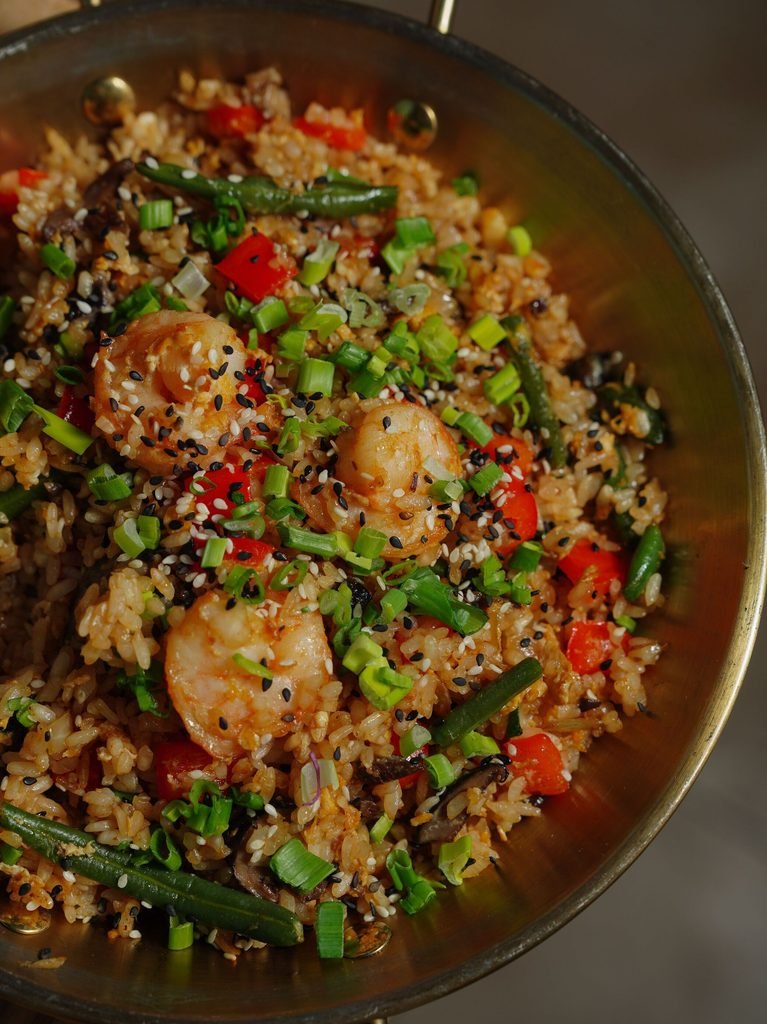
The Rice Secret Nobody Talks About
Fresh rice is still wet inside. Toss it into a hot pan and it clumps together and goes gummy. I found this out on my very first attempt. I made a fresh pot of rice, dumped it in the pan about ten minutes later, and ended up with something closer to rice porridge than fried rice.
Rice that’s been refrigerated overnight dries out slightly. The starches firm up, and the grains separate easily when you break them apart. That’s what gives you those distinct, slightly chewy, slightly crisp grains you get at good restaurants.
What If You Don’t Have Leftover Rice?
Don’t panic. I’ve been there, usually at 6 p.m. on a Tuesday with hungry kids. Here’s the shortcut that works for me:
Cook your rice as usual, using slightly less water than normal (about 10% less).
Spread the rice thin on a baking sheet. Stick it in the freezer for about 15 minutes, or leave it in the fridge for an hour or so.
Break up any clumps with a fork before cooking.
It’s not quite as good as true day-old rice, but it’s about 90% of the way there, and it saves dinner.
Step 3: Cook the Chicke
Heat a big skillet or wok on medium-high with a tablespoon of oil. Add the chicken, spread it out so nothing overlaps, and don’t touch it for about a minute. You want the bottom a little brown.. Flip it, give it 3 to 4 more minutes until it’s cooked through, then put it on a plate.
Step 4: Scramble the Eggs
Wipe out the pan if there’s any burnt bits, add another tablespoon of oil, and pour in the beaten eggs. Scramble them gently until just set, then break them into small pieces and remove them to the plate with the chicken.
Step 5: Cook the Vegetables and Aromatics
Add the rest of the oil and the butter, if you’re using it. Put in the white parts of the green onions and the garlic and stir for about 30 seconds, until the garlic smells good. Then add the frozen peas and carrots and give them 2 minutes.
Step 6: Add the Rice
Crank the heat to high and dump in the cold rice. Break up the clumps with your spatula, spread the rice out, and don’t stir for 30 seconds so some of it toasts. After that, stir and press it against the pan for 3 to 4 minutes.
Step 7: Bring It All Together
Pour the sauce down the sides of the pan rather than onto the rice so it hits the hot metal and sizzles. Mix it all together.. Add the chicken and eggs back, stir for a mionute, and throw the green onin tops over it.
Taste it. Adjust with a little more soy sauce or pepper if needed. Serve immediately.
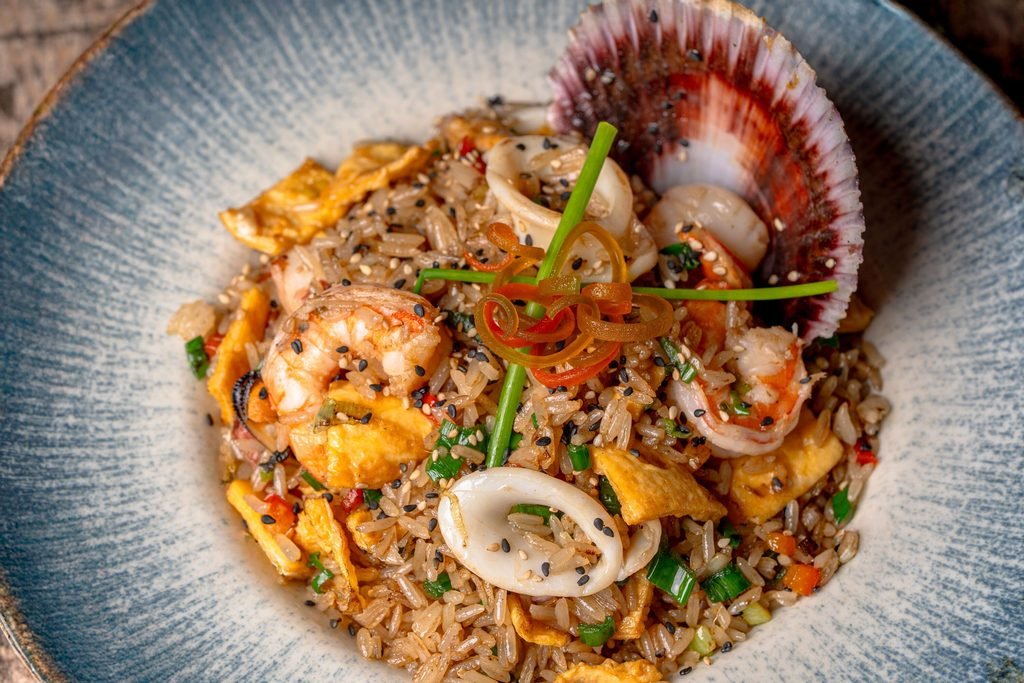
Common Mistakes (And How I Made Every One of Them)
I’d love to say I nailed this recipe on the first try. I did not. Here’s what went wrong along the way, so you can skip my learning curve.
Overcrowding the pan. When I doubled the recipe in a regular skillet, everything steamed instead of fried. If you’re cooking for a crowd, work in two batches. It’s worth the extra five minutes.
Using too much sauce.Don’t pour in extra soy sauce thinking it’ll help. You’ll end up with wet, salty rice. Measure it out first, then taste and add more if it needs it.
Don’t stir the whole time.Let the rice sit for a bit so the bottom gets crispy. If you keep stirring, it won’t brown.
Cooking on medium heat. Fried rice wants high heat. Lower temperatures make the rice absorb oil rather than fry in it, which gives you that greasy takeout texture we’re trying to avoid.
Skipping the prep. I once started cooking before mincing the garlic. By the time I got to it, the chicken was overcooked and the pan was smoking. Prep first. Always.
Tips for Restaurant-Style Flavor
After all my testing, these small details made the biggest difference in getting that “wow, this tastes like a restaurant” reaction.
Use white pepper. It has a distinct, slightly earthy heat that’s very characteristic of Chinese-style fried rice. If you’ve never bought it, it’s worth the few dollars.
Add oyster sauce. It brings a savory, slightly sweet depth that soy sauce alone can’t. If you have a shellfish allergy in your household, mushroom-based vegetarian oyster sauce works well as a substitute.
Don’t skip the sesame oil. Just a teaspoon at the end adds a toasty aroma that makes the whole kitchen smell incredible. Add it to the sauce, not the hot pan, since high heat can make it bitter.
Use a wok if you have one. A carbon steel wok gets hotter and distributes heat better than most skillets. That said, I made this on a regular nonstick pan for months and it was still delicious. Don’t let equipment stop you.
Season in layers. A little seasoning on the chicken, a little in the sauce, a final taste at the end. This builds flavor instead of dumping it all in at once.
Variations to Keep Things Interesting
Once you’ve got the base recipe down, it’s easy to switch things up. Here are a few variations my family has enjoyed.
- Pineapple chicken fried rice: Add a cup of fresh or canned pineapple chunks in the last two minutes for a sweet and savory twist.
- Spicy version: Stir in a tablespoon of chili garlic sauce or a pinch of red pepper flakes with the sauce.
- Extra veggie version: Add diced bell peppers, corn, edamame, or finely chopped broccoli.
- Kimchi fried rice style: Swap the peas and carrots for chopped kimchi and add a drizzle of sesame oil at the end.
- Shrimp or tofu swap: Replace the chicken with shrimp or crispy tofu for a different protein.
The nice thing about fried rice is that it’s endlessly flexible. It’s one of the best ways to use up leftover vegetables and odds and ends from the fridge.
Storing and Reheating Leftovers
Fried rice keeps fine, but you do have to be careful with rice. Get it cooled within an hour of cooking, then put it in an airtight container in the fridge. It’s good for three to four days.
To reheat, put it in a pan over medium heat with a little water or oil and stir until it’s hot all the way through. The microwave works too: cover it with a damp paper towel so it doesn’t dry out. Either way, it needs to be steaming hot.
It also freezes well. Split it into freezer bags, press them flat, and freeze for up to a month. Flat bags thaw fast, which is handy when you want a quick lunch.
Final Thoughts
Making fried rice at home isn’t complicated, but it does reward a little attention. Cold rice, hot pan, good prep, and restraint with the sauce. That’s really the whole formula.
I make this recipe at least twice a month now, and it never gets old. It’s become our go-to for busy weeknights, for using up leftover rice, and for those evenings when nobody has the energy to cook anything elaborate but we still want something that feels like a real meal.
If you try it, I’d love to hear how it goes. Maybe you’ll tweak it in ways I haven’t thought of. That’s the fun of cooking. Grab that day-old rice from the fridge, turn up the heat, and give it a shot. I think you’ll be surprised at how good it turns out.
Frequently Asked Questions
1. Can I use brown rice instead of white rice?
Yes. Brown rice is chewy and tastes nuttier, but it fries up fine if it’s cold and dry. It needs a minute or two longer in the pan to heat through. Break up the clumps first, or it won’t fry evenly.
2. Why is my fried rice mushy?
Mushy rice means too much moisture. Cold rice, high heat, smaller batches, and measured sauce will fix it.
3. Can I make chicken fried rice without oyster sauce?
Absolutely. If you don’t have oyster sauce, just use a little extra soy sauce and a pinch more sugar to balance the flavor. You can also use hoisin sauce in a smaller amount, or mushroom-based vegetarian oyster sauce. The taste will be slightly different but still very good.
4. How long does homemade fried rice last in the fridge?
Properly stored in an airtight container, chicken fried rice will keep for about three to four days in the refrigerator. Cool it quickly after cooking and don’t leave it sitting out for long. When reheating, make sure it’s steaming hot throughout before serving.
5. What’s the best pan for making fried rice at home?
Tags: Chicken Fried Rice, Chicken Recipes, Easy Fried Rice Recipe, Homemade Fried Rice, Quick Dinner RecipesCool it fast, store it airtight in the fridge, and eat it within three to four days. Reheat until steaming hot.